
CNS EFFICACY

CNS disease models & efficacy

Match models, intervention windows and endpoints to target mechanism and disease stage for preclinical efficacy decisions.

Neurodegenerative, neurodevelopmental, psychiatric and injury models differ in pathology and progression. We organize behavior with pathology, molecular and, where needed, electrophysiology evidence so efficacy is not judged from a single readout.

  • AD · PD · ALSNeurodegeneration
  • ASD · Rett · depression · anxietyNeurodevelopment & psychiatric
  • Stroke · TBI · epilepsyInjury and other CNS
Start a conversation

Service positioning

For candidate efficacy validation, dose or route comparison and mechanism studies.

  • Neurodegeneration: AD, PD, ALS
  • Neurodevelopment: ASD, Rett
  • Psychiatric: depression, anxiety
  • Neural injury: stroke, TBI
  • Other CNS disease: epilepsy and more

When teams usually need it

When a candidate moves from in vitro or developability work into in vivo efficacy; when existing results need dose, route or window comparison; or when behavioral, pathology, molecular and electrophysiology evidence must be connected.

Research questions

01Does the model match the target and disease stage?

02Can behavioral change be supported by tissue or molecular evidence?

03How should dose, route and intervention window be compared?

Study design

Choose an experiment combination around the research question. Steps, groups and timing are confirmed per project.

  1. 01

    Model strategy

    Align target, disease background, age, sex and primary endpoints.

  2. 02

    Intervention & follow-up

    Organize groups, dosing and multi-timepoint phenotype observation.

  3. 03

    Multidimensional validation

    Combine behavior, tissue, molecular and selected electrophysiology endpoints.

  4. 04

    Data interpretation

    Interpret results against model features and study conditions.

Models & endpoints

See how models map to endpoints, then open the topic page for model scope and representative evidence.

Neurodegeneration

Alzheimer's disease

Representative models
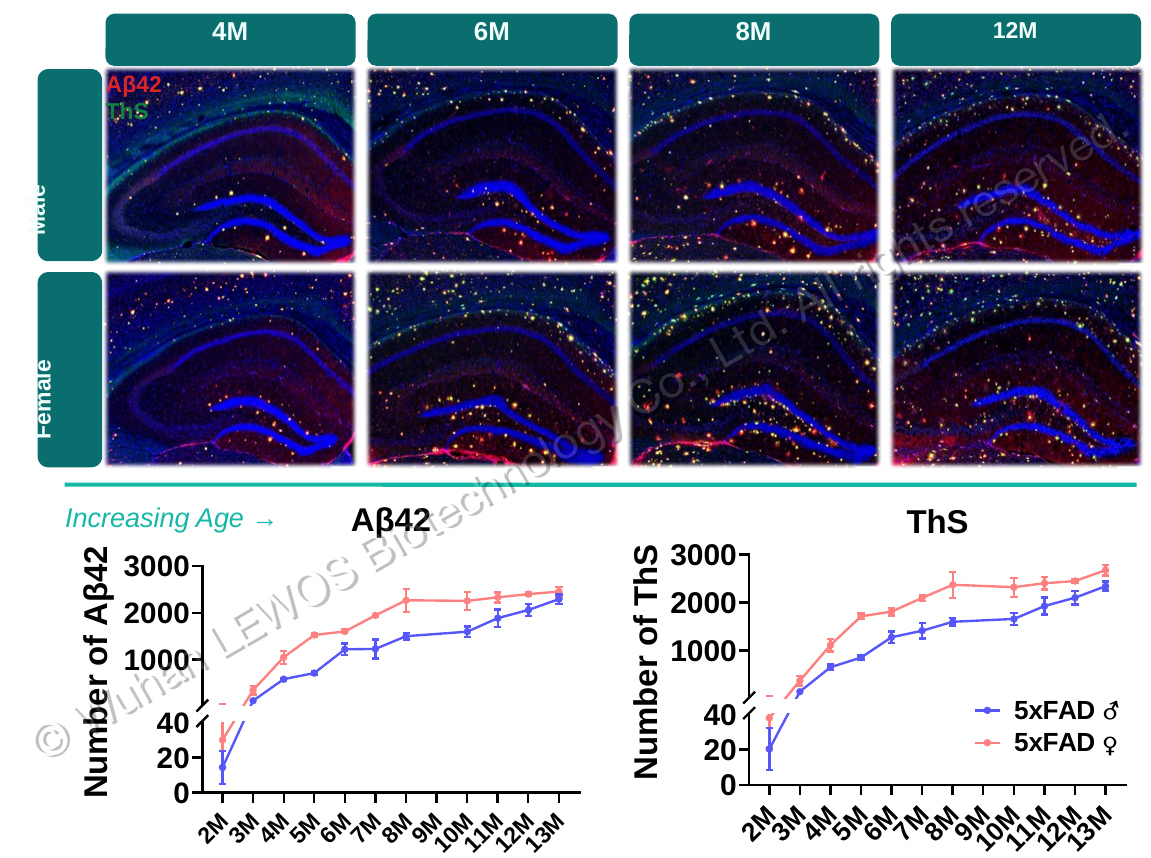
  • 5xFAD
  • rTg4510
  • APP/PS1
  • 3×Tg-AD
  • P301S (PS19)
  • APOE4-Tg
Primary endpoints
  • Aβ42 / ThS pathology burden
  • Tau phosphorylation and protein expression
  • Glial and inflammatory markers
  • Morris water maze, Y-maze and novel-object recognition
Neurodegeneration

Parkinson's disease

Representative models
  • A53T
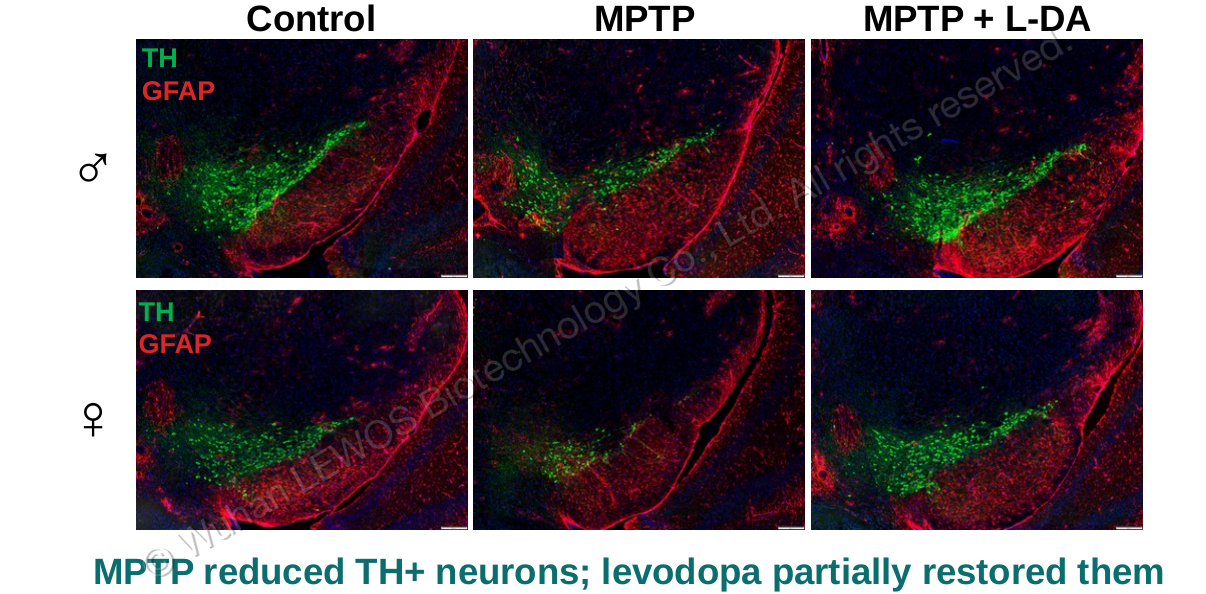
  • MPTP
  • Thy1-SNCA
  • LRRK2-G2019S
  • PFFs
  • 6-OHDA
Primary endpoints
  • TH+ neurons and α-syn quantification
  • Beam walk, pole, rotarod and open field
  • DA / DOPAC / HVA
  • Striatal electrophysiology and molecular endpoints
Representative models
  • SOD1-G93A
  • TDP-43
Primary endpoints
  • Rotarod, grip strength, pole and wire hang
  • Body weight and survival curve
  • Spinal neurons and neuromuscular junction
  • SOD1 / TDP-43 molecular and tissue markers
Representative models
  • Shank3-KO
  • MECP2-TG
  • Fmr1 mutant
Primary endpoints
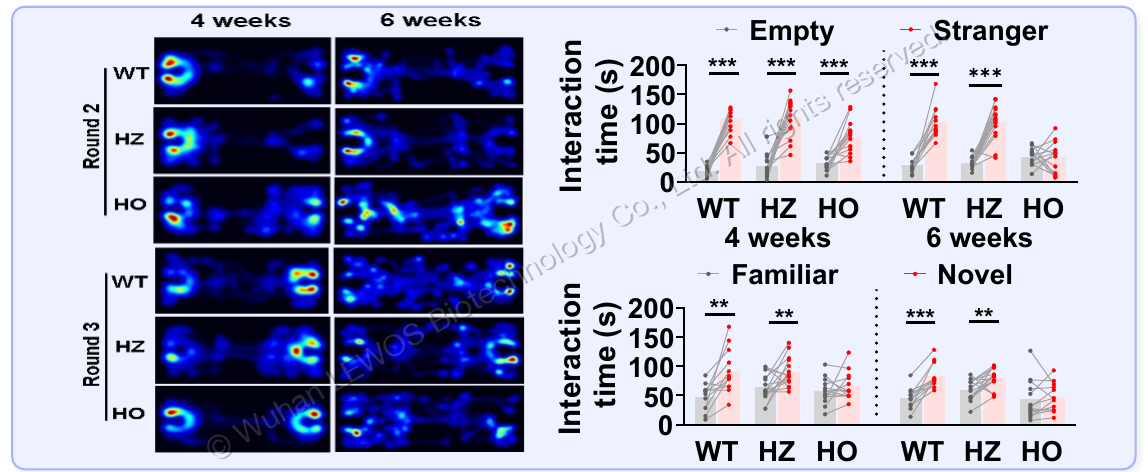
  • Three-chamber social and social novelty
  • Repetitive and fine-motor behavior
  • Novel-object recognition and cognitive flexibility
  • Sex differences with molecular and tissue validation
Neural injury

Ischemic stroke

Representative models
  • MCAO
Primary endpoints
  • Model and general-condition monitoring
  • Neurological function and behavior
  • Tissue injury and histology
  • Target and inflammation-related markers
Representative models
  • TBI
Primary endpoints
  • Post-injury functional monitoring
  • Motor and cognitive behavior
  • Tissue injury and glial response
  • Target-related molecular endpoints

DELIVERABLES

Data & delivery

  • Model and study-condition records
  • Primary and secondary endpoint data
  • Figures, statistics and research report
  • Result interpretation and next-step discussion

Deliverables are confirmed against the actual study scope and experiment combination.

Technical contact

Tell us your candidate type, study goal and development stage. We will help identify the experiment combination for CNS disease models & efficacy.